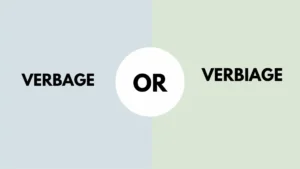
Have you ever stopped while writing and wondered whether to use “verbage” or “verbiage”? You’re not alone. This is one of those common English confusions that many people face, especially when trying to sound professional or correct in writing.
The confusion happens because both words look and sound very similar. Many people assume they mean the same thing or that both are correct spellings. Because of this, searches for “verbage or verbiage” have become very common online, especially among students, writers, and professionals.
Understanding the correct usage is important because using the wrong word can make your writing look less polished or even incorrect. In this article, you’ll learn the exact difference between verbage and verbiage, how to use them properly, and simple tips to never confuse them again.
Quick Answer
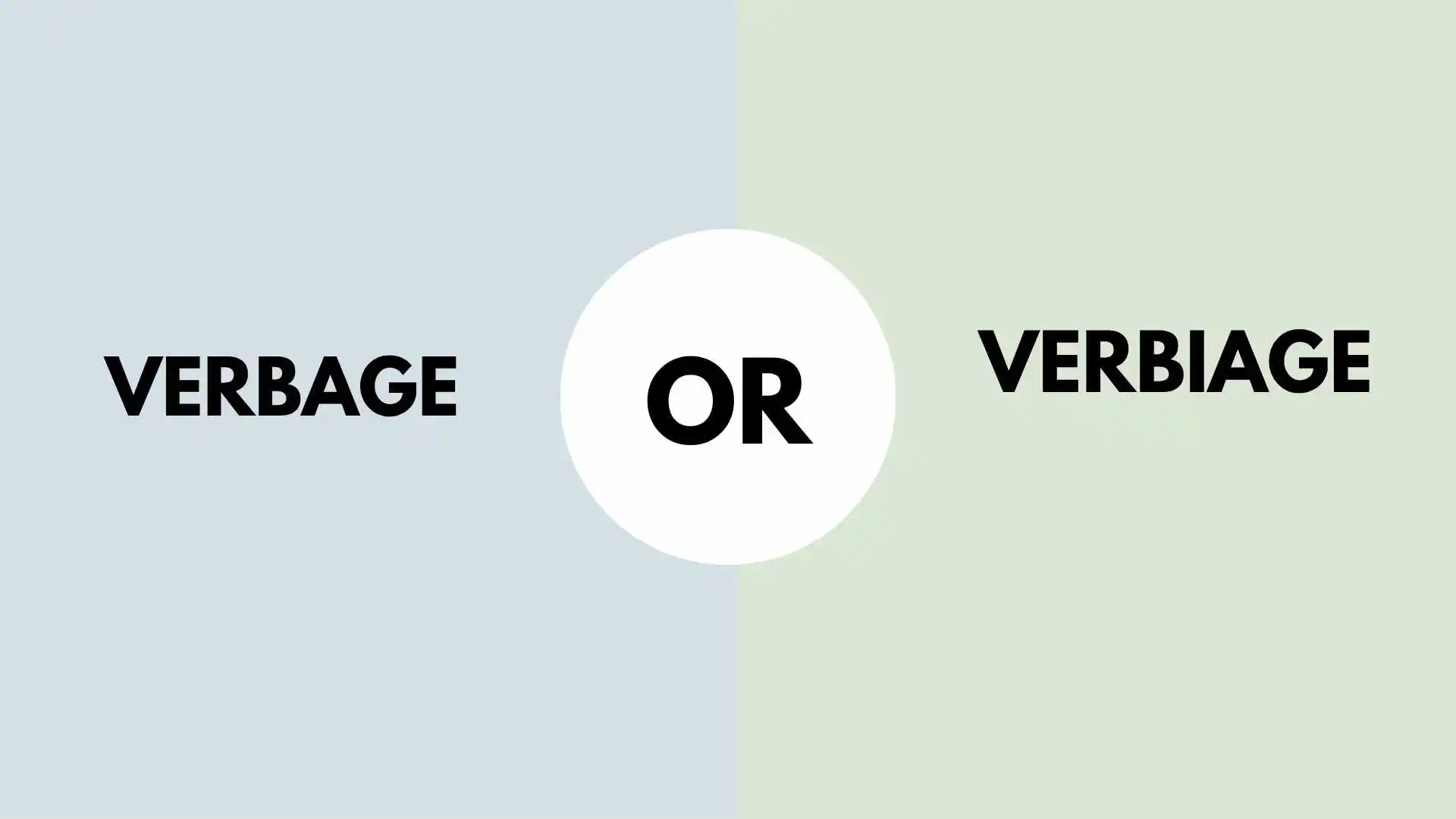
The correct word is “verbiage.”
“Verbage” is considered a misspelling and is not accepted in standard English.
“Verbiage” refers to either the way words are used or excessive and unnecessary wording.
Meaning and Definition of Each Word
1. Verbiage
Definition:
“Verbiage” means the way words are expressed, or more commonly, too many words used unnecessarily.
Simple Explanation:
It is often used when someone is being overly wordy or using more words than needed.
Examples:
- The contract is full of confusing verbiage.
- Try to reduce the verbiage in your essay.
- His speech had too much verbiage and not enough clarity.
2. Verbage
Definition:
“Verbage” is not a correct word in standard English. It is simply a misspelling of “verbiage.”
Simple Explanation:
If you write “verbage,” it will usually be marked as incorrect in formal writing.
Examples (Incorrect Usage):
- ❌ The report contains unnecessary verbage.
- ✔️ The report contains unnecessary verbiage.
Key Differences Between the Words
Here’s a simple breakdown to understand the difference between “verbage” and “verbiage”:
- Correctness:
- Verbiage → Correct word
- Verbage → Incorrect spelling
- Usage:
- Verbiage → Used in writing and speech
- Verbage → Should not be used
- Meaning:
- Verbiage → Refers to wording or excessive words
- Verbage → No official meaning
- Acceptance:
- Verbiage → Accepted in dictionaries
- Verbage → Not accepted
Comparison Table
| Word | Meaning | Usage | Example |
| Verbiage | Wording or excessive use of words | Correct | The article has too much verbiage. |
| Verbage | Misspelling of “verbiage” | Incorrect | ❌ Avoid using verbage in formal writing. |
Examples in Sentences
Correct Usage of “Verbiage”
- Please avoid unnecessary verbiage in your report.
- Legal documents often contain complex verbiage.
- The teacher asked students to simplify their verbiage.
- His email was full of formal verbiage.
- Good writing avoids excessive verbiage.
Incorrect Usage of “Verbage”
- ❌ The speech had too much verbage.
- ✔️ The speech had too much verbiage.
- ❌ Remove extra verbage from your essay.
- ✔️ Remove extra verbiage from your essay.
Common Mistakes
Many learners make similar mistakes when using “verbage or verbiage.” Let’s look at them:
1. Spelling Mistake
- ❌ Verbage
- ✔️ Verbiage
Why it happens:
People spell it the way it sounds.
2. Thinking Both Words Are Correct
Some people believe both words exist with different meanings.
- ❌ Verbage (wrong assumption)
- ✔️ Only verbiage is correct
3. Overusing “Verbiage”
Even though “verbiage” is correct, it is often used too much.
- ❌ His speech had too much verbiage, verbiage, and more verbiage.
- ✔️ His speech was too wordy.
Tips to Remember the Difference
Here are some simple tricks to help you remember:
1. Think of “i” in Verbiage
“Verbiage” has an “i”, just like many correct English words.
👉 Verbiage = Valid word
2. Remember: “Verbage” is Garbage ❌
A fun trick:
👉 Verbage rhymes with garbage → So it’s incorrect
3. Use Spell Check
Modern tools like Word or Google Docs will highlight “verbage” as incorrect.
4. Associate with “Verbose”
“Verbiage” comes from “verbose,” which means using too many words.
When to Use Each Word
When to Use “Verbiage”
Use “verbiage” when:
- Talking about wording or phrasing
- Describing too many unnecessary words
- Writing formal or academic content
Examples:
- The contract’s verbiage is difficult to understand.
- Avoid extra verbiage in business emails.
When to Use “Verbage”
👉 Never use “verbage.”
It is always better to replace it with “verbiage.”
Grammar Rules (If Applicable)
While “verbiage” itself does not have complex grammar rules, here are some useful points:
1. It is a Noun
“Verbiage” is always used as a noun.
Examples:
- The verbiage is confusing.
- This document contains too much verbiage.
2. Uncountable Noun
You usually don’t say “verbiages.”
- ❌ Many verbiages
- ✔️ Much verbiage
3. Used in Formal Contexts
It is more common in:
- Academic writing
- Legal documents
- Business communication
Synonyms or Related Words
If you want to avoid repeating “verbiage,” here are some alternatives:
- Wording
- Language
- Text
- Phraseology
- Expression
- Wordiness (when negative)
- Jargon
Example:
- The document has too much wordiness instead of “verbiage.”
Frequently Asked Questions (FAQs)
1. Is “verbage” a real word?
No, “verbage” is not a real or correct word. It is a misspelling of “verbiage.”
2. What does “verbiage” mean?
“Verbiage” means wording or the use of too many unnecessary words.
3. Why do people confuse “verbage” and “verbiage”?
Because they sound similar, people often spell the word incorrectly based on pronunciation.
4. Can I use “verbage” in informal writing?
It’s best to avoid it completely, even in informal writing, as it is incorrect.
5. Is “verbiage” always negative?
Not always. It can simply mean “wording,” but it is often used negatively to describe excessive wording.
6. What is a simple synonym for “verbiage”?
A simple synonym is “wording.”
Conclusion
When it comes to “verbage or verbiage,” the answer is simple:
👉 Only “verbiage” is correct.
“Verbage” is just a common spelling mistake that should be avoided in all types of writing. By remembering a few simple tricks like “verbage is garbage” you can easily avoid this error.
Using the correct word not only improves your writing but also makes you sound more confident and professional. So next time you’re writing, stick with verbiage and keep your language clear and effective.