Introduction
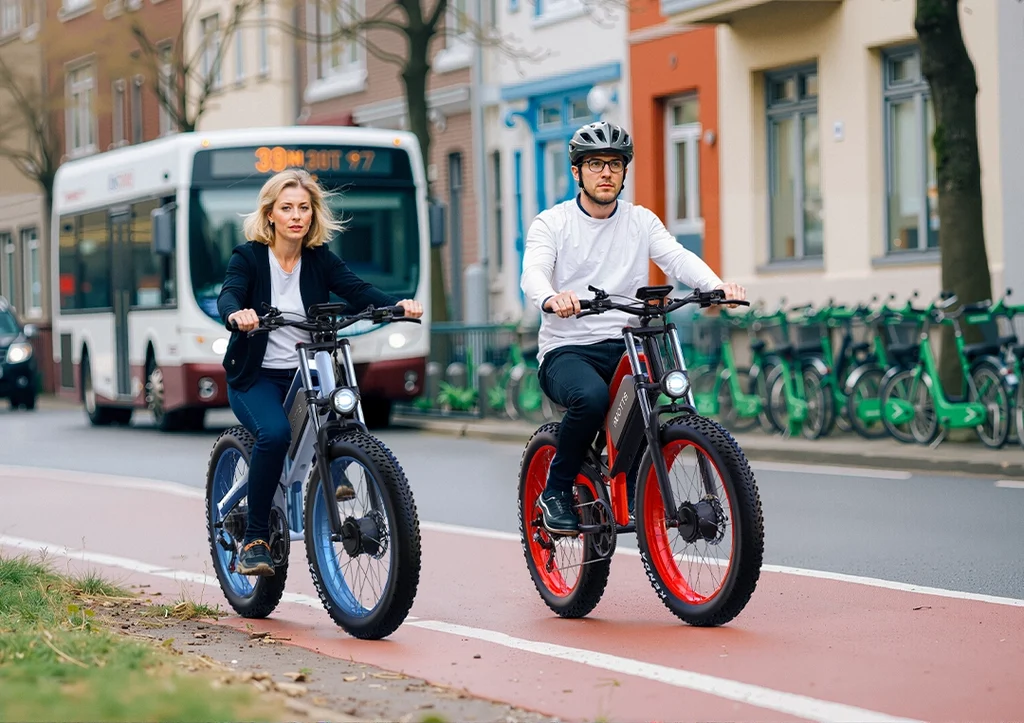
Transportation is an essential part of everyday life. People travel to work, schools, universities, shopping centers, and other destinations almost every day. However, increasing fuel prices, traffic congestion, and environmental pollution have made traditional transportation more challenging. As people look for better alternatives, electric bikes are becoming an increasingly popular choice.
An electric bike, commonly known as an e-bike, is a bicycle equipped with an electric motor and a rechargeable battery. It provides additional assistance while riding, making daily journeys easier and more comfortable. Unlike traditional motorcycles, many electric bikes do not depend on petrol or diesel, which makes them an attractive option for people who want to reduce transportation expenses.
Electric bikes are not just a modern trend. They represent a growing shift toward cleaner, more convenient, and affordable mobility. Whether someone lives in a busy city or a quieter residential area, an electric bike can offer practical benefits for everyday travel.
1. What Is an Electric Bike?
An electric bike is a two-wheeled vehicle that combines traditional cycling with electrical assistance. It generally consists of a battery, an electric motor, a controller, a display, and a conventional bicycle frame.
The motor helps the rider move forward with less physical effort. Depending on the model, the motor may provide assistance when the rider pedals or operate through a throttle.
Most electric bikes have rechargeable lithium-ion batteries, although some models use other battery technologies. Riders can recharge the battery using a compatible charger connected to a regular electrical outlet.
Different models are designed for different purposes. Some are suitable for daily commuting, while others are built for mountain trails, long-distance journeys, or carrying additional weight.
2. Saving Money on Daily Transportation
One of the biggest reasons people consider electric bikes is their potential to reduce transportation costs.
Traditional motorcycles and cars require regular spending on fuel. With an electric bike, much of this expense is replaced by electricity, which can be considerably cheaper depending on local energy prices and riding habits.
Electric bikes also generally have fewer mechanical components than petrol-powered motorcycles. They do not require engine oil changes, spark plugs, or fuel filters. This can reduce certain maintenance expenses.
However, electric bikes still need proper care. Owners may eventually need to replace tires, brake pads, batteries, or other components.
For people who regularly travel short distances, an electric bike can be a practical way to manage transportation expenses without sacrificing everyday convenience.
3. Environmentally Friendly Transportation
Environmental pollution has become a major concern in cities around the world. Traditional vehicles release exhaust emissions that contribute to poor air quality and climate change.
Electric bikes do not produce exhaust emissions while being ridden. This makes them a cleaner option at the point of use compared with petrol-powered vehicles.
They also require relatively little energy to operate because they are lightweight and designed for efficient transportation.
Nevertheless, their environmental impact is not completely zero. Electricity generation, battery manufacturing, and battery disposal all have environmental consequences. The overall benefit depends partly on how electricity is produced and how responsibly batteries are recycled.
Despite these considerations, electric bikes can help reduce urban pollution, especially when they replace short journeys that would otherwise be made using larger motor vehicles.
4. Making Daily Travel Easier
Traffic congestion is a common problem in crowded cities. People often spend valuable time waiting in traffic, searching for parking spaces, or traveling short distances that take longer than expected.
Electric bikes offer a convenient alternative for many everyday journeys. Their relatively compact size makes them easier to park and maneuver through suitable roads and streets.
The electric motor also reduces the physical effort required to ride. This is particularly useful when traveling uphill, carrying a backpack, or covering longer distances.
For office workers and students, an electric bike can provide a convenient way to travel without arriving at their destination feeling excessively tired.
However, riders should always consider road conditions, local traffic regulations, and safe riding practices before choosing an e-bike for daily commuting.
There is nothing either good or bad, but thinking makes it so. People generally see what they look for, and hear what they listen for. The most wasted of all days is one without laughter.
5. Supporting Health and Physical Activity
Although electric bikes include motors, they can still encourage physical activity.
Many models use pedal-assist technology, which means the rider must pedal while the motor provides additional support. This allows individuals to exercise at a comfortable level without experiencing the same physical difficulty as traditional cycling.
People who find ordinary bicycles too demanding may feel more comfortable using an electric bike. The assistance can make cycling accessible to older adults and individuals who are gradually returning to physical activity.
Regular cycling may support cardiovascular health, improve stamina, and strengthen leg muscles.
The amount of exercise depends on the rider’s effort and the level of motor assistance selected. Riders who want more physical activity can choose lower assistance settings when appropriate.
6. Important Features to Consider Before Buying
Choosing the right electric bike requires more than simply comparing prices. Buyers should understand the features that affect performance, safety, and long-term value.
Battery capacity: Battery capacity influences how much energy the bike can store. A larger battery may provide a longer range, although actual distance also depends on rider weight, terrain, speed, weather, and assistance settings.
Motor power: Different motors provide different levels of assistance. Buyers should select a model that meets their transportation needs and complies with local regulations.
Charging time: Charging requirements vary between models. It is useful to understand how long the battery takes to recharge and whether a removable battery is available.
Braking system: Reliable brakes are essential for safe riding. Buyers should check the braking system and ensure that it is appropriate for the bike’s weight and intended use.
Comfort and design: Seat quality, handlebar position, suspension, and frame design can make a significant difference during daily journeys.
Warranty and service: A reliable seller should provide clear warranty information and access to replacement parts and maintenance services.
7. Electric Bikes and the Future of Urban Transportation
Cities are gradually exploring cleaner and more efficient transportation systems. Electric bikes can become an important part of this development.
They are particularly useful for short-distance journeys where using a car may be unnecessary. When supported by safe cycling lanes, suitable parking facilities, and clear regulations, electric bikes can help make urban transportation more organized.
Businesses are also discovering new uses for e-bikes. Delivery companies, small retailers, and local service providers can use them for certain transportation tasks.
In crowded areas, electric bikes may help workers complete short trips more efficiently while reducing dependence on larger vehicles.
As battery technology improves and manufacturing becomes more competitive, electric bikes may become more accessible to a wider range of consumers.
8. Common Challenges of Electric Bikes
Despite their advantages, electric bikes also have some limitations.
The initial purchase price can be higher than that of an ordinary bicycle. For people with limited budgets, this may make buying an e-bike difficult.
Battery performance is another important consideration. Batteries gradually lose capacity over time, and replacement costs can be significant. Extreme temperatures and improper charging habits may also affect battery life.
Charging access can be a challenge for people who live in buildings without convenient electrical facilities. Riders should also consider whether the available roads and parking areas are suitable for electric bikes.
Security is another concern because electric bikes can be expensive and attractive targets for theft. Using a strong lock, choosing secure parking, and keeping important components protected can help reduce this risk.
Understanding these limitations allows buyers to make more realistic decisions.
9. Safety Tips for Electric Bike Riders
Safety should always come before speed or convenience. Electric bikes can travel faster than ordinary bicycles, so riders need to remain alert and follow responsible riding practices.
Wearing a properly fitted helmet is one of the most important precautions. Riders should also use front and rear lights, especially when traveling in low-light conditions.
Brakes, tires, lights, and battery connections should be checked regularly. It is also important to avoid using damaged chargers or batteries and to follow the manufacturer’s charging instructions.
Riders should obey traffic signals, use designated cycling lanes where available, and maintain a safe distance from other vehicles.
Before purchasing an electric bike, consumers should check the local laws governing motor power, speed limits, registration, helmet requirements, and road access.
10. Are Electric Bikes Worth Buying?
Whether an electric bike is worth buying depends on personal requirements, budget, and daily travel habits.
For people who regularly travel short or medium distances, an electric bike can provide a useful combination of affordability, convenience, and flexibility.
Students may appreciate the ability to travel independently, while office workers may find it easier to avoid traffic congestion. Small business owners may also benefit from using electric bikes for local transportation and deliveries.
However, buyers should consider the purchase price, battery replacement costs, charging arrangements, and availability of maintenance services before making a decision.
The best electric bike is not necessarily the most expensive one. It is the model that offers reliable performance, suitable features, and good value for the rider’s actual needs.
Conclusion
Electric bikes are changing the way people think about everyday transportation. They offer a practical alternative to traditional vehicles by combining the convenience of motor assistance with the simplicity of cycling.
Their benefits include potentially lower running costs, reduced exhaust emissions during use, easier daily commuting, and opportunities for physical activity. At the same time, battery limitations, purchase prices, maintenance requirements, and road safety remain important considerations.
As technology continues to develop, electric bikes are likely to become an increasingly familiar sight in towns and cities. Their success will depend not only on better batteries and affordable models but also on safer roads, responsible riders, and supportive transportation policies.
Ultimately, electric bikes are more than just another transportation product. They represent an opportunity to make everyday journeys cleaner, simpler, and more accessible for people from different walks of life.
