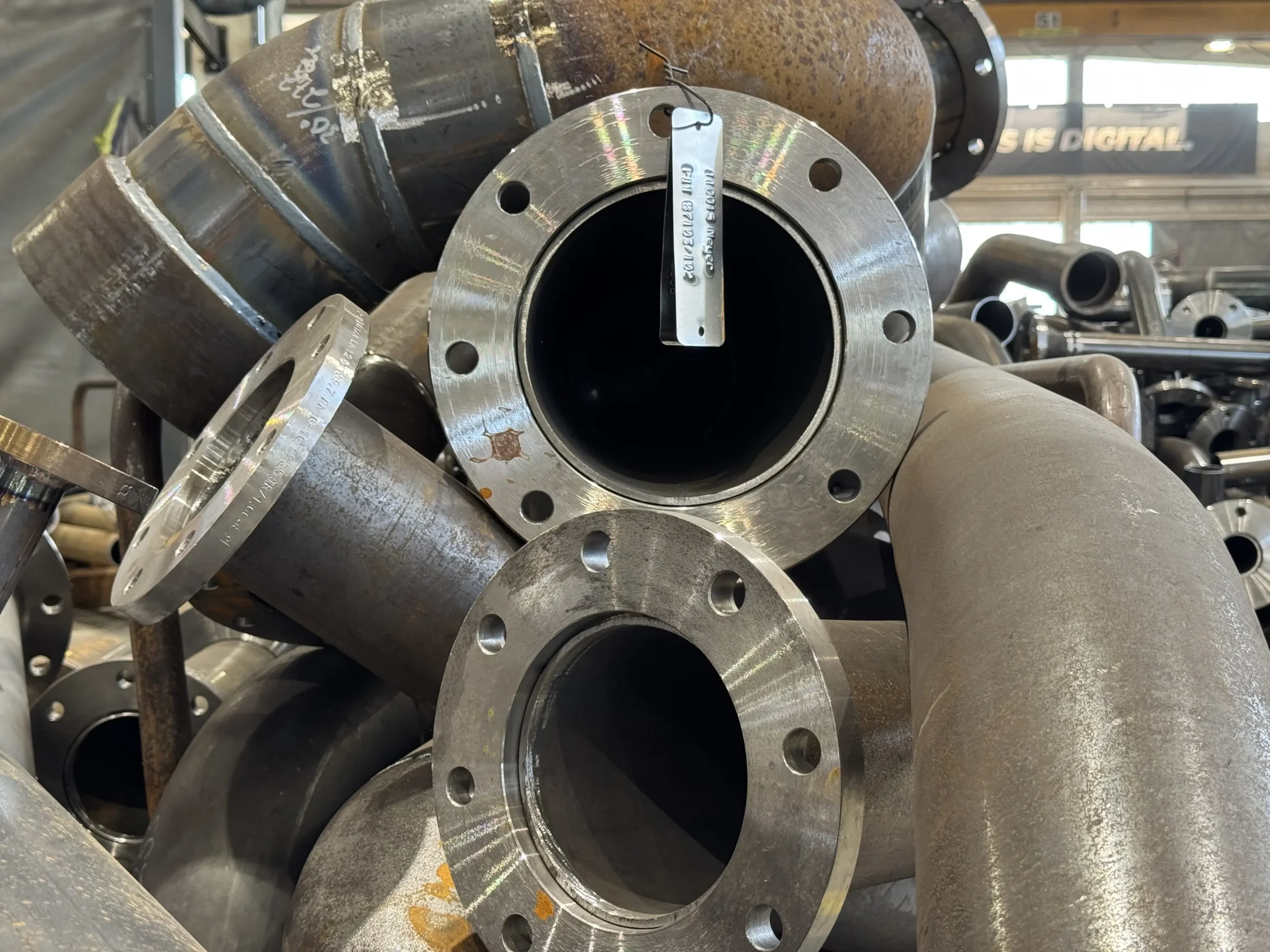
Successful construction projects depend on accurate technical drawings, reliable cost calculations, and efficient project planning. In mechanical construction, piping systems are among the most important components because they transport liquids, gases, steam, and other materials throughout industrial and commercial facilities. Contractors need precise fabrication details and realistic budgets to complete these installations efficiently. This is where piping spool drawings and mechanical estimating services play an essential role.
From industrial plants and manufacturing facilities to commercial buildings and energy projects, these services help contractors reduce errors, manage expenses, and improve coordination. Combining detailed piping documentation with professional estimating also makes it easier to prepare competitive bids and maintain control over project costs.
What Are Piping Spool Drawings?
Piping spool drawings are detailed fabrication drawings that represent individual sections of a piping system. These sections, known as spools, are typically prefabricated in a workshop before being transported to the construction site for installation.
The drawings provide the information required by fabricators, welders, installers, and quality control teams to manufacture and assemble piping components accurately.
Common details included in piping spool drawings are:
- Pipe sizes, lengths, and specifications
- Fittings, flanges, valves, and connections
- Weld locations and identification numbers
- Dimensions, elevations, and orientation
- Material specifications and component references
- Fabrication notes and installation requirements
Accurate spool drawings help ensure that fabricated piping sections fit the intended installation locations and meet project specifications.
Importance of Accurate Piping Spool Drawings
1. Improved Fabrication Accuracy
Detailed drawings reduce uncertainty during the fabrication process. Fabricators can determine the correct pipe lengths, fitting positions, and connection details before cutting or welding materials.
This reduces material waste, minimizes rework, and supports consistent fabrication quality.
2. Faster On-Site Installation
Prefabricated piping spools can be manufactured while other construction activities are underway. Once delivered, clearly identified components can be installed according to the project sequence.
This approach may reduce on-site fabrication work and help contractors maintain project schedules.
3. Better Coordination Between Trades
Mechanical projects often involve coordination between piping, structural steel, electrical, plumbing, and HVAC systems. Accurate spool drawings help identify spatial conflicts and installation constraints before they create costly problems.
When coordinated with other construction documents and models, these drawings support more effective communication between project teams.
4. Reduced Material Waste
Precise dimensions and component schedules help teams order and cut materials according to actual project requirements. Better planning can reduce unnecessary offcuts, incorrect purchases, and replacement expenses.
What Are Mechanical Estimating Services?
Mechanical estimating services involve calculating the expected costs of mechanical construction work before a project begins. Estimators review drawings, specifications, project requirements, and available pricing information to develop detailed cost estimates.
Mechanical estimates may cover piping systems, HVAC installations, plumbing systems, mechanical equipment, ductwork, insulation, and related components, depending on the project scope.
A comprehensive mechanical estimate commonly includes:
- Material quantities and unit prices
- Labor hours and labor rates
- Equipment rental and operating costs
- Fabrication and installation expenses
- Subcontractor costs
- Transportation and handling
- Project overhead and contingency allowances
These calculations help contractors understand the financial requirements of a project and prepare informed bid proposals.
How Mechanical Estimating Services Support Piping Projects
Accurate Material Takeoffs
Material takeoffs identify the quantities of pipes, fittings, valves, flanges, supports, and other components required for installation. Estimators review available drawings and specifications to determine the project’s material needs.
When piping spool drawings are available, they can provide additional fabrication-level information that supports detailed quantity calculations. Estimators must still verify drawing revisions, specifications, and scope boundaries to avoid omissions or duplicate quantities.
Reliable Labor Cost Calculations
Mechanical piping projects require skilled workers for cutting, fitting, welding, assembly, testing, and installation. Labor requirements vary according to pipe diameter, material type, joint configuration, working conditions, and project complexity.
Professional estimators evaluate these factors to develop realistic labor allowances and improve budget reliability.
Better Equipment and Fabrication Planning
Some piping projects require welding machines, lifting equipment, pipe supports, specialized tools, and transportation resources. Mechanical estimating helps contractors identify these requirements and account for their associated costs.
It can also help distinguish workshop fabrication costs from on-site installation expenses.
Improved Bid Preparation
Competitive bidding requires more than calculating material quantities. Contractors must consider labor productivity, subcontractor quotations, indirect expenses, project risks, and profit margins.
Detailed mechanical estimates provide a structured basis for pricing proposals while helping contractors avoid underpricing their work.
The Connection Between Piping Spool Drawings and Mechanical Estimating
Piping spool drawings and mechanical estimating services complement one another throughout the project lifecycle.
Spool drawings communicate how piping components should be fabricated and assembled. Mechanical estimates translate the required materials, labor, equipment, and related activities into financial figures.
For example, an industrial facility may require hundreds of piping spools with different diameters, fittings, materials, and welding requirements. The drawings establish the component details, while the estimating process calculates the quantities and costs associated with producing and installing them.
Using coordinated information can help project teams:
- Identify missing components before procurement
- Estimate fabrication and installation labor more accurately
- Compare alternative materials or installation methods
- Improve purchasing and delivery planning
- Reduce avoidable rework and budget discrepancies
The quality of the final estimate depends on the completeness and accuracy of the available project documentation.
Industries That Benefit From These Services
Industrial Manufacturing
Manufacturing facilities use piping systems for production processes, cooling, compressed air, and material transfer. Accurate drawings and estimates support installation planning and operational requirements.
Oil and Gas
Oil and gas projects often involve complex piping networks, specialized materials, and demanding technical specifications. Detailed documentation and careful cost analysis are important for fabrication, installation, and project budgeting.
Power Generation
Power plants require piping systems for steam, water, cooling, and other operating processes. Estimating and drawing services help contractors plan materials, fabrication activities, and installation costs.
Commercial and Institutional Buildings
Large commercial buildings, hospitals, and institutional facilities require mechanical piping for HVAC, plumbing, heating, and other building services. Accurate estimates help align mechanical work with overall project budgets.
Choosing the Right Service Provider
Selecting an experienced provider is important when outsourcing piping spool drawings or mechanical estimating services.
Consider the following factors before making a decision:
Technical expertise: Choose a provider familiar with piping systems, fabrication requirements, mechanical specifications, and construction documentation.
Estimating accuracy: Confirm that the team can prepare detailed material takeoffs, labor calculations, and cost breakdowns appropriate to the project scope.
Software capabilities: Computer-aided design tools, digital takeoff platforms, and compatible estimating software can support efficient workflows.
Quality control: Ask about drawing reviews, quantity verification, revision tracking, and procedures for resolving discrepancies.
Communication and turnaround: Reliable communication helps ensure that deliverables meet bidding deadlines and reflect the latest project information.
Conclusion
Piping spool drawings and mechanical estimating services are valuable resources for contractors managing industrial, commercial, and institutional construction projects. Detailed spool drawings support accurate fabrication, efficient installation, and better coordination, while mechanical estimating provides the cost information needed for budgeting and competitive bidding.
When these services are integrated into the construction workflow, contractors can improve material planning, understand labor requirements, and identify potential issues earlier. Investing in accurate documentation and reliable cost estimates helps project teams make better decisions and work toward successful project delivery.
Frequently Asked Questions (FAQs)
1. What is the purpose of piping spool drawings?
Piping spool drawings provide detailed information about individual piping sections, including dimensions, fittings, materials, weld locations, and fabrication requirements. They help fabricators manufacture components accurately before installation.
2. What do mechanical estimating services include?
Mechanical estimating services may include material takeoffs, labor calculations, equipment costs, fabrication expenses, installation costs, subcontractor pricing, and other project-related expenses.
3. How do piping spool drawings improve cost estimation?
They provide detailed component dimensions and fabrication information that can help estimators calculate material quantities, welding requirements, and fabrication labor more accurately.
4. Which industries use piping spool drawings?
Oil and gas, manufacturing, power generation, chemical processing, and large commercial facilities commonly use piping spool drawings for fabrication and installation planning.
5. Can mechanical estimating services help contractors win more bids?
Yes. Detailed estimates help contractors prepare competitive proposals, evaluate project costs, and protect profit margins. However, bidding success also depends on pricing strategy, qualifications, and competition.
6. What information is needed to prepare a mechanical estimate?
Estimators generally need current construction drawings, project specifications, scope documents, material requirements, labor assumptions, and relevant supplier or subcontractor pricing.
7. Can piping spool drawings reduce construction delays?
Accurate drawings can reduce fabrication mistakes, improve coordination, and support prefabrication. Their effectiveness depends on timely approvals, accurate site information, and proper project management.
8. Why should contractors outsource mechanical estimating services?
Outsourcing can provide access to specialized estimating expertise, additional project capacity, and support during busy bidding periods without requiring contractors to expand their in-house estimating teams.
