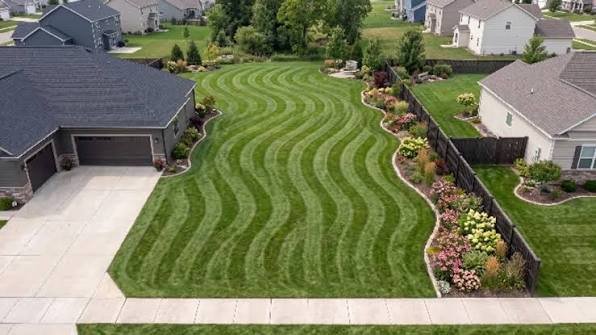
Mowing a compact urban lawn can be surprisingly complicated. Courtyards, narrow side strips, small front lawns, and irregular patches of grass often require more maneuvering than their size suggests. Walls, garden beds, walkways, trees, and outdoor furniture can interrupt an otherwise simple mowing pattern.
Choosing the best lawnmower for small yard maintenance is only part of the solution. An efficient mowing route matters just as much because unnecessary turns, repeated passes, and awkward repositioning consume time and can leave an uneven finish. Homeowners who plan the route before starting can work more systematically, protect surrounding landscaping, and maintain consistent grass height.
The key is to treat a small lawn as a series of connected mowing zones rather than one uninterrupted rectangle. Understanding how those zones relate to one another makes it easier to select suitable equipment and establish a repeatable routine.
1. Map the Lawn Into Manageable Zones Before You Start Mowing
Before switching on the mower, walk the entire property and identify the areas that need cutting. A compact lawn might include a central courtyard, a narrow strip beside the house, a small front garden, and a patch behind a gate.
Mark the boundaries mentally or sketch a simple plan. Note fixed obstacles, changes in ground level, narrow entrances, and places where the mower must turn around. This initial assessment prevents unnecessary backtracking later.
Divide the lawn into three practical categories:
- Open areas: Relatively unobstructed grass where long, straight passes are possible.
- Narrow sections: Side strips, passages, and spaces between buildings and fences.
- Detail zones: Grass around trees, posts, garden borders, and other obstacles that require additional trimming.
This approach creates a clear work sequence and helps reveal whether the mower can comfortably access every section.
2. Choose the Best Lawnmower for Small Yard Layouts and Tight Access
The best mower for a compact property is not necessarily the one with the widest cutting deck or highest advertised power. Maneuverability, storage requirements, access width, and the number of obstacles often matter more.
Measure the narrowest passage the mower must cross, including gates and spaces between outdoor furniture. Compare that measurement with the mower’s overall width, allowing room to steer without scraping walls or damaging plants.
For many small urban lawns, a compact walk-behind mower offers a useful balance of control and cutting capacity. Battery-powered models can be particularly convenient where access to an outdoor electrical outlet is limited, although battery runtime and charging arrangements should match the amount of grass being maintained.
When comparing equipment, consider:
- Cutting width: Wider decks cover open grass quickly but may be difficult to turn in courtyards.
- Overall dimensions: The mower must fit through gates and narrow side passages.
- Turning control: Easy maneuverability reduces repeated passes around obstacles.
- Storage space: Compact garages and garden sheds may limit equipment size.
- Grass conditions: Dense growth and uneven terrain can affect cutting performance and runtime.
The right choice should suit the entire route, not just the largest section of lawn.
3. Start With the Most Accessible Area and Work Toward the Narrow Sections
A practical mowing route usually begins in the largest open area, where straight passes can establish a consistent pattern. Once that section is complete, move into connected side strips and finish with smaller, more obstructed patches.
However, access conditions can change the ideal order. If a narrow side passage is easiest to reach before moving furniture or closing a gate, handle that section first. The goal is to avoid repeatedly moving equipment across completed areas.
For a property with a front lawn, courtyard, and side strip, a sensible sequence might be:
- Mow the front lawn in parallel passes.
- Continue into the side strip if the access route allows a smooth transition.
- Mow the courtyard using shorter, controlled passes.
- Finish remaining corners and isolated patches.
- Trim edges and inspect the entire property.
This sequence reduces unnecessary movement while keeping the mowing pattern easy to follow.
4. Use Straight Passes and Controlled Turns to Reduce Overlap
Overlapping mowing passes slightly is often necessary to avoid missed strips, particularly on uneven ground or when grass obscures the cutting edge. Excessive overlap, however, wastes time and can create visible differences in cutting patterns.
In an open rectangular lawn, mow in parallel lines along the longest practical dimension. A small overlap between adjacent passes helps maintain a consistent finish.
In a courtyard with several obstacles, shorter passes may be more efficient than attempting long continuous lines. Turn in open spaces whenever possible rather than forcing the mower through tight corners.
A useful rule is to establish a clear turning area before committing to a pass. This is especially important when mowing near walls, raised beds, or delicate planting, where repeated corrections can cause damage.
5. Adapt the Route to Narrow Side Strips and Enclosed Courtyards
Narrow side strips often present the greatest routing challenge because the mower has limited room to turn. If the passage runs between a house and a fence, mowing along its length is usually more practical than making repeated crosswise passes.
Check for low branches, hoses, drainage covers, and protruding fixtures before entering. Remove movable obstacles and confirm that the mower can turn around safely at the far end.
Courtyards need a different strategy. Furniture, planters, and irregular borders may divide the grass into several small sections. Start with the largest uninterrupted patch, then approach smaller areas from the direction that provides the clearest exit.
For enclosed spaces, keep the route simple enough that the mower does not need to cross freshly cut areas repeatedly. If a section is too tight for the mower to reach safely, use an appropriate trimming tool rather than forcing the machine into the space.
6. Match the Mowing Pattern to Grass Height and Ground Conditions
The fastest route is not always the best route if the grass is long, wet, or uneven. Tall grass can place additional demands on the mower, while wet clippings may clump and leave an inconsistent finish.
When grass has grown substantially between mowing sessions, reduce the workload by cutting in stages rather than trying to remove too much in one pass. Follow the mower manufacturer’s cutting-height guidance and avoid scalping the lawn.
For most established lawns, removing roughly one-third of the grass blade at a time is a useful general guideline. The appropriate height depends on the grass species, season, and local growing conditions.
Change the route when necessary. If the ground is sloped, follow the equipment manufacturer’s instructions for safe operation. With a walk-behind mower on a moderate slope, working across the slope may be appropriate when permitted by the manual and terrain; avoid steep or unstable areas that cannot be handled safely.
7. Compare Route Strategies and Choose the One That Saves the Most Effort
Different lawn shapes call for different mowing patterns. The best route minimizes unnecessary turning without sacrificing access or cutting quality.
| Lawn layout | Recommended approach | Main advantage |
| Rectangular front lawn | Parallel passes along the longest dimension | Fewer turns and consistent coverage |
| Narrow side strip | Lengthwise passes | Better control in restricted space |
| Courtyard with planters | Divide into smaller zones | Easier obstacle management |
| Irregular lawn | Work from open sections toward corners | Less repositioning |
| Multiple disconnected patches | Complete one patch at a time | Fewer repeated trips |
For example, a homeowner with three small grass patches may spend more time moving the mower between areas than actually cutting. Grouping each patch into a single work sequence, while keeping the access route clear, reduces that wasted effort.
The best strategy is the one that fits the property’s geometry and can be repeated reliably.
8. Avoid Common Mowing Route Mistakes That Waste Time or Damage Grass
Small lawns leave little room for inefficient movements. A few common mistakes can make routine maintenance unnecessarily difficult.
- Starting without checking access: A mower may fit the lawn but fail to pass through the narrowest gate.
- Changing direction repeatedly: Frequent turns increase handling time and make coverage less consistent.
- Cutting wet grass unnecessarily: Damp conditions can produce clumps and an uneven finish.
- Forcing the mower around obstacles: This risks damaging plants, scratching surfaces, or compromising control.
- Ignoring clipping and debris buildup: Grass clippings and loose debris can obstruct the route or create additional cleanup work.
- Using the same pattern regardless of conditions: Grass height, weather, and seasonal growth may require adjustments.
A brief inspection before mowing often prevents more delays than attempting to correct problems after the machine is running.
9. Build a Repeatable Maintenance Routine for Consistent Results
Once an effective route has been established, use it as the starting point for future mowing sessions. A consistent sequence reduces decision-making and makes it easier to identify missed patches or areas that need extra attention.
Before each session, remove toys, hoses, loose branches, and other obstacles. Check the mower’s condition, battery charge if applicable, and cutting height. After mowing, inspect corners and borders, clear clippings as appropriate, and store the equipment safely.
Keep a simple note of sections that routinely take longer. A difficult corner may benefit from minor landscaping changes, while a crowded courtyard may become easier to mow if movable furniture is repositioned before each session.
For additional guidance on lawn care and responsible equipment use, consult the University of Minnesota Extension’s lawn care resources and the U.S. Consumer Product Safety Commission’s outdoor power equipment safety information. These resources can help homeowners combine an efficient route with appropriate maintenance and safety practices.
Frequently Asked Questions About Mowing Compact Urban Lawns
What is the most efficient mowing pattern for a small lawn?
Parallel passes are usually effective for rectangular lawns. For courtyards and irregular spaces, divide the grass into smaller zones and complete each section with minimal backtracking.
Is a wider mower always better for a small yard?
No. A wider cutting deck can reduce the number of passes across open grass, but it may be harder to maneuver around planters, gates, and narrow side strips. Choose a width that suits the most restricted part of the route.
Should narrow side strips be mowed before or after the main lawn?
Either order can work. Mow the side strip first if access will become restricted, or handle it after the main lawn if the sections connect naturally. Prioritize a route that avoids repeated equipment movement.
How can I prevent missed patches around courtyard obstacles?
Use shorter, controlled passes around obstacles, leave enough clearance to steer safely, and inspect the area after the main mowing work. A suitable grass trimmer can help finish places the mower cannot reach.
How often should a compact lawn be mowed?
Mowing frequency depends on grass species, weather, and growth rate rather than lawn size alone. During active growth, more frequent light cuts may be preferable to infrequent sessions that remove excessive blade length.
Plan the Route Around the Property, Not Just the Mower
Successful small-lawn maintenance comes down to matching the equipment and mowing pattern to the shape of the property. Open lawns benefit from straight passes, narrow strips need controlled lengthwise movement, and courtyards are easier to manage when divided into clear zones.
By assessing access, limiting unnecessary turns, and adapting the route to grass conditions, homeowners can make mowing more predictable and achieve a cleaner finish. A thoughtful route also makes it easier to choose equipment that fits the property, turning a collection of awkward grass patches into a manageable maintenance routine.
