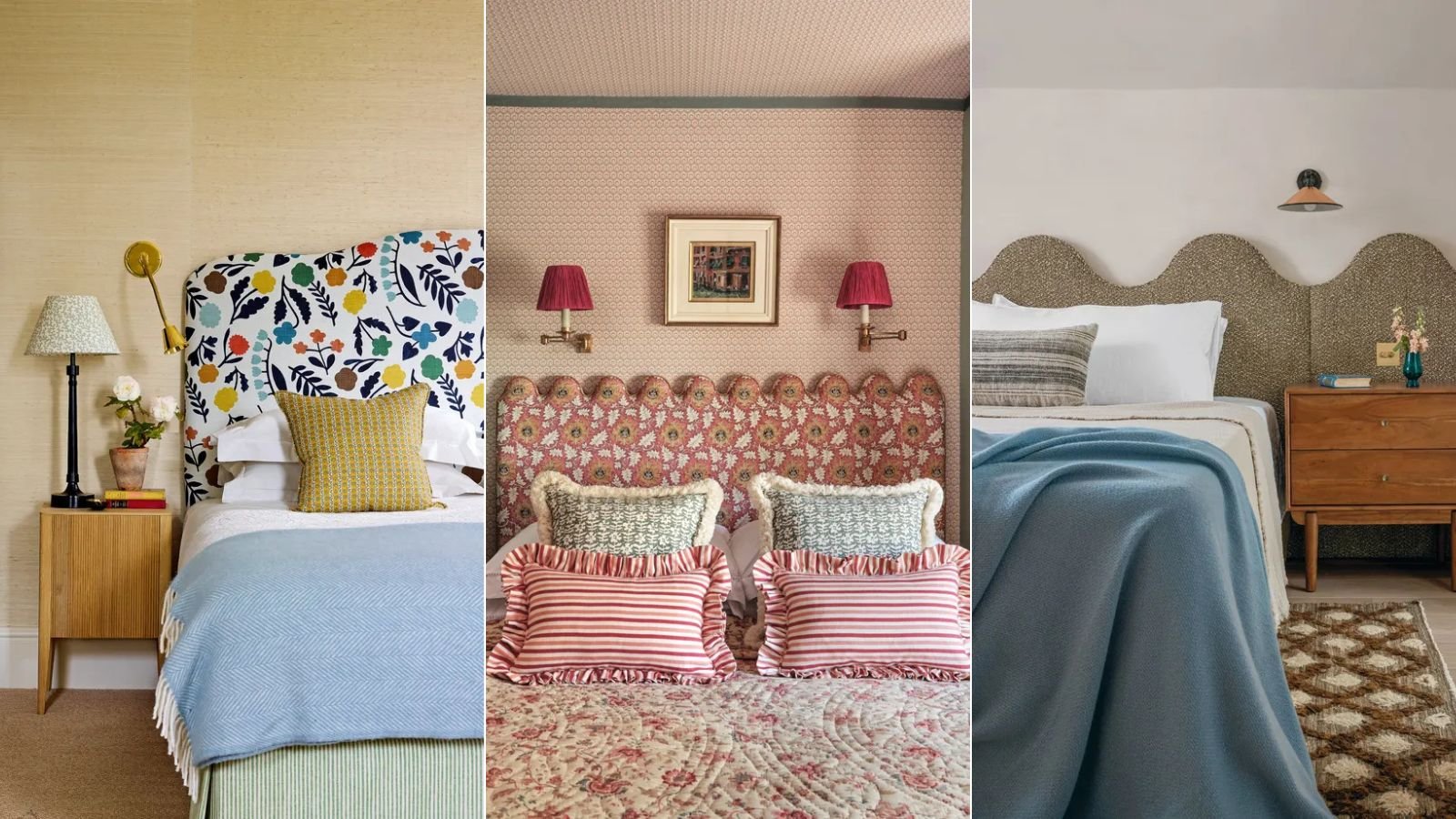
A guest bedroom often serves two purposes: welcoming overnight visitors and providing a quiet place to read, work, or unwind when the room is not in use. Furnishing it well requires more than fitting a bed into an available space. The room should feel inviting to guests without becoming impractical for everyday living.
The most effective approach is to prioritize comfort, choose furniture that earns its place, and create enough flexibility for the room to change functions throughout the week. With thoughtful planning, even a modest spare bedroom can serve as a restful retreat without sacrificing its usefulness.
Start With a Layout That Supports Both Uses
Before purchasing furniture, consider how the room will function when occupied by guests and when used as a personal retreat. A bed may be the main requirement, but a desk, reading chair, or storage cabinet can make the space more useful between visits.
Measure the room, noting door swings, closet access, windows, and electrical outlets. Keep the route from the doorway to the bed clear, and leave enough space to open drawers and move around the mattress comfortably. In smaller bedrooms, placing the bed against a wall rather than centering it may create valuable floor space, although this arrangement is less convenient for two people sharing the bed.
Choose Furniture With More Than One Purpose
Multifunctional furniture can help a guest bedroom accommodate changing needs without feeling crowded. A writing desk can double as a vanity, while a storage ottoman provides seating and a place to keep spare blankets. A compact dresser can serve as both clothing storage and a surface for a reading lamp.
A sleeper sofa may be suitable when the room functions primarily as an office or hobby space. However, it should be tested for sleeping comfort, and the layout must allow enough room to unfold it without moving several other pieces.
The goal is not to make every item multifunctional. A comfortable bed, accessible bedside surface, and practical storage remain more important than adding features that rarely get used.
Invest in Sleep Comfort Before Decorative Details
For overnight visitors, the quality of the sleeping arrangement matters more than elaborate styling. Choose a mattress that provides appropriate support and a bed frame that feels stable. A medium-firm mattress may suit a broad range of sleepers, although individual preferences vary.
Bedding should be comfortable across different seasons. Cotton sheets, a breathable duvet, and an additional blanket allow guests to adjust to their own temperature preferences. Providing pillows with different firmness levels is a simple way to accommodate varied sleeping habits.
If the bedroom also serves as a retreat, invest in a mattress and bedding you would genuinely enjoy using yourself. This avoids creating a room that feels like an afterthought when guests are absent.
Make Storage Easy for Visitors
A guest bedroom should give visitors somewhere to put their belongings rather than requiring them to live out of a suitcase. Even a small amount of accessible storage makes the stay more comfortable.
A few empty dresser drawers, a luggage rack, and several hangers in the closet are often sufficient. If closet space is limited, a simple wall-mounted hook rail can hold jackets, bags, or clothing.
When comparing beds, dressers, nightstands, and other bedroom essentials through retailers such as RC Willey, consider both the dimensions and the storage capacity of each piece. Furniture that fits the room while keeping everyday belongings organized can serve guests and household members equally well.
Create a Calm Atmosphere With Lighting and Color
A home retreat should feel distinct from a busy living area. Soft neutral colors, natural textures, and restrained patterns can establish a relaxing atmosphere without making the room feel impersonal.
Warm white lighting works well for winding down in the evening, but a single overhead fixture rarely provides enough flexibility. Combine ambient lighting with bedside lamps or wall-mounted reading lights. If the room doubles as a workspace, add a task light near the desk so the entire room does not need to be brightly illuminated.
Window treatments deserve equal attention. Light-filtering curtains provide privacy while allowing daylight into the room, and blackout curtains can be useful for guests who prefer a darker sleeping environment.
Keep decorative accessories selective. A framed print, a small plant, and a textured throw can make the bedroom feel finished without consuming useful surface space.
Add the Practical Details That Make Guests Feel Welcome
Small conveniences can distinguish a thoughtfully furnished guest room from one that merely contains a bed. Provide a clear bedside surface, accessible charging outlets, a mirror, and a wastebasket. A carafe of water or a small tray for personal belongings can also be helpful.
Avoid filling every available surface with decorations. Guests need room for glasses, phones, books, and other everyday items. Similarly, leave some open space in drawers and closets instead of using the room as overflow storage.
Common Questions About Dual-Purpose Guest Bedrooms
Is a bed or a sofa bed better?
A conventional bed is generally preferable when overnight guests visit frequently. A sofa bed may be more practical when the room serves mainly as an office or lounge. The decision depends on how often each function takes priority.
How can a small guest room feel less crowded?
Use appropriately scaled furniture, vertical storage, wall-mounted lighting, and a restrained color palette. Avoid bulky accent pieces that interfere with movement or reduce access to storage.
What should every guest bedroom include?
At minimum, provide a comfortable sleeping arrangement, clean bedding, a light source, a place for personal belongings, and access to clothing storage.
Design for Everyday Comfort, Not Occasional Use
A successful guest bedroom should feel useful even when no one is visiting. Prioritize a flexible layout, dependable sleep comfort, practical storage, and lighting that supports different activities. Decorative details can then reinforce the room’s character without compromising its function.
When every major piece serves a clear purpose, the bedroom becomes more than a spare room. It becomes a comfortable place to recharge, work quietly, or welcome visitors without requiring a complete rearrangement each time.
