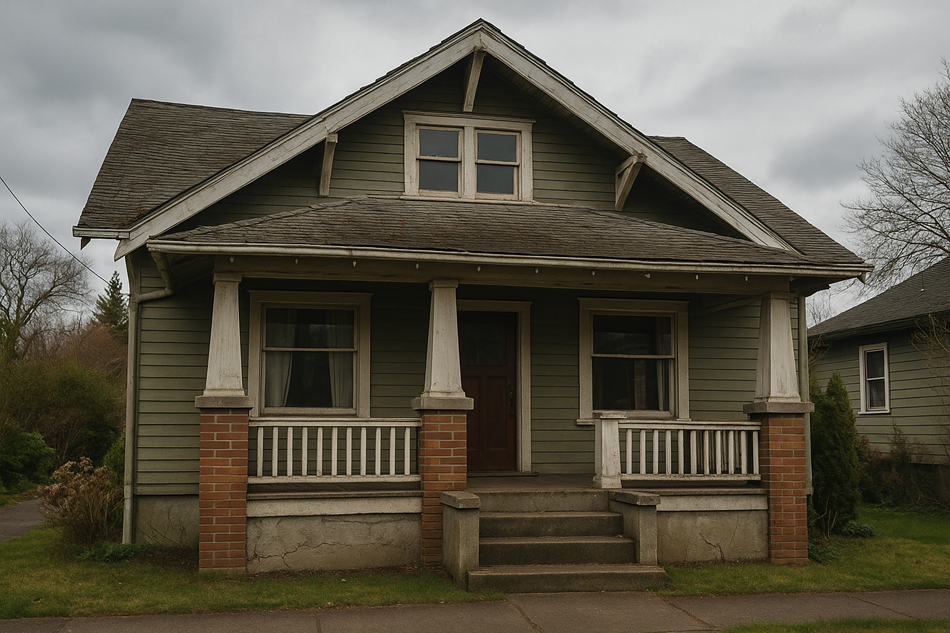
Portland’s historic homes and older commercial buildings give the city much of its architectural identity. Craftsman bungalows, Victorian residences, converted warehouses, and early twentieth-century apartment buildings reflect decades of changing construction practices. However, the same features that make these properties distinctive can conceal hazards that residents, visitors, and property owners may not immediately recognize.
A building can appear well maintained while hiding deteriorating support beams, outdated electrical wiring, or unstable exterior steps. Portland’s rainy climate adds another layer of concern, particularly where moisture affects wooden structures and walking surfaces. Recognizing these risks requires looking beyond appearances to understand how aging materials, previous renovations, and everyday use interact.
For individuals affected by property-related accidents, understanding these conditions can also clarify questions about responsibility and available options. Craig Swapp & Associates is a resource for people seeking information about injury-related legal concerns, including circumstances in which an unsafe property condition may have contributed to an accident.
Why Older Buildings Can Present Unexpected Hazards
Age alone does not make a property dangerous. Many historic buildings remain structurally sound because their owners maintain them carefully. Problems are more likely to develop when original materials deteriorate, repairs are delayed, or modern systems are installed without adequately addressing existing structural limitations.
Older buildings may also have undergone several renovations, leaving behind inconsistent workmanship or concealed defects. A recently remodeled kitchen, for example, does not necessarily indicate that the home’s electrical system, foundation, or exterior stairs have been inspected.
Deteriorating Porches, Decks, and Stairways
Wooden porches and elevated entryways are common throughout Portland’s older neighborhoods. Persistent moisture can weaken wooden supports, loosen railings, and cause concealed decay in stair stringers. A porch may look stable from above even when its underlying structure has deteriorated.
Uneven stair heights, narrow treads, and missing handrails can increase the likelihood of falls. Poor lighting and slippery surfaces make these conditions more difficult to navigate, especially for visitors unfamiliar with the property.
Uneven Floors and Hidden Structural Problems
Settling foundations, warped floorboards, loose carpeting, and raised thresholds can create trip hazards inside older homes. While minor unevenness may reflect ordinary settlement, sudden changes or worsening conditions can indicate a more significant maintenance issue.
Property owners should investigate noticeable movement, recurring cracks, sagging floors, and unstable steps rather than assuming these features are harmless consequences of age.
Building Systems That Create Less Visible Risks
Some hazards develop behind walls, beneath floors, or inside utility spaces. These conditions may require professional inspection because a visual walkthrough cannot reliably establish whether an older system is safe.
Outdated Electrical and Heating Equipment
Electrical installations designed for earlier household demands may not accommodate modern appliances without appropriate upgrades. Damaged insulation, deteriorated wiring, and improper modifications can increase the risk of electrical shock or fire.
Older furnaces, water heaters, and fireplaces also require attention. Poor ventilation or malfunctioning fuel-burning equipment can cause carbon monoxide exposure, which may produce serious illness before occupants recognize the source.
Lead Paint and Asbestos Exposure
Buildings constructed before 1978 may contain lead-based paint, while certain older insulation, flooring, and siding materials may contain asbestos. These substances do not automatically present an immediate danger when intact and properly managed. The risk can increase when renovation, demolition, or maintenance disturbs hazardous materials and releases particles into the air.
Testing and appropriate professional handling are particularly important before remodeling older properties.
Property Maintenance and Potential Liability in Oregon
Preventive maintenance can reduce many of these risks. Property owners and managers should inspect exterior structures, address reported defects, maintain adequate lighting, and arrange qualified assessments of aging mechanical and electrical systems. Written inspection records and repair documentation can also help demonstrate how safety concerns were handled.
When an injury occurs, legal responsibility depends on the facts. Oregon premises-liability cases may involve whether a dangerous condition existed, who controlled the property, whether the responsible party knew or reasonably should have known about the hazard, and whether reasonable precautions were taken.
An older building’s condition does not automatically establish negligence, and an accident alone does not prove liability. Photographs, maintenance records, witness statements, and medical documentation may help clarify what happened.
Someone evaluating a potential claim may consult a personal injury lawyer in Portland to discuss the circumstances and understand the legal considerations relevant to the incident.
Frequently Asked Questions
Are historic homes automatically unsafe?
No. Their safety depends on structural condition, maintenance, renovations, and the presence of specific hazards. Regular inspections can identify problems without compromising historic character.
Can a landlord be liable for an injury caused by defective stairs?
Potentially. Liability depends on applicable legal duties, the landlord’s knowledge of the condition, reasonable maintenance efforts, and the circumstances surrounding the accident.
What should someone do after an injury on an older property?
Seek appropriate medical care, report the incident, and preserve photographs, witness details, and relevant communications when possible. These records may help establish the condition of the property and the events leading to the injury.
Balancing Historic Preservation With Everyday Safety
Portland’s older buildings remain valuable parts of the city’s heritage, but preserving their character requires attention to the systems that keep them safe. Timely repairs, informed renovations, and routine inspections help protect residents and visitors while extending the useful life of historic properties. Understanding how hidden defects develop is an important step toward preventing avoidable injuries.
